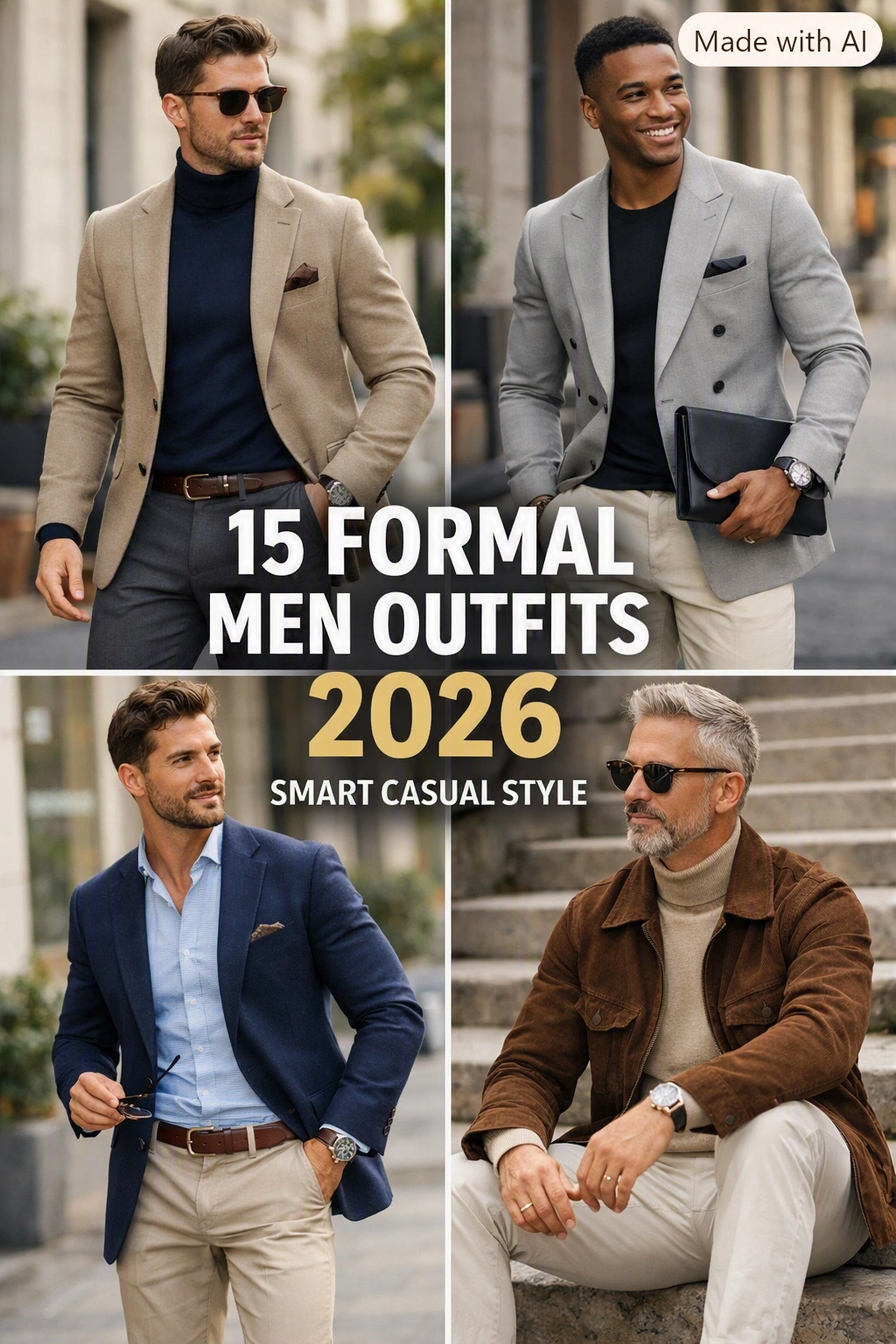
15 Formal Men Outfits 2026 Smart Casual Style
Introduction
Looking polished doesn’t mean wearing a traditional suit every time you step outside. The right combination of tailored pieces, relaxed textures, and modern colors can create an outfit that feels refined, comfortable, and completely current. These formal outfits for men 2026 smart casual style ideas bring together versatile blazers, tailored trousers, knit polos, crisp shirts, loafers, and understated accessories. Whether you are dressing for the office, a dinner, a celebration, or a polished weekend occasion, these looks make choosing an outfit much easier. I’ve noticed that the most successful smart casual combinations usually rely on good proportions and simple color coordination rather than excessive styling. The goal is to help you build looks that feel confident, practical, and naturally sophisticated.
Classic Navy Blazer
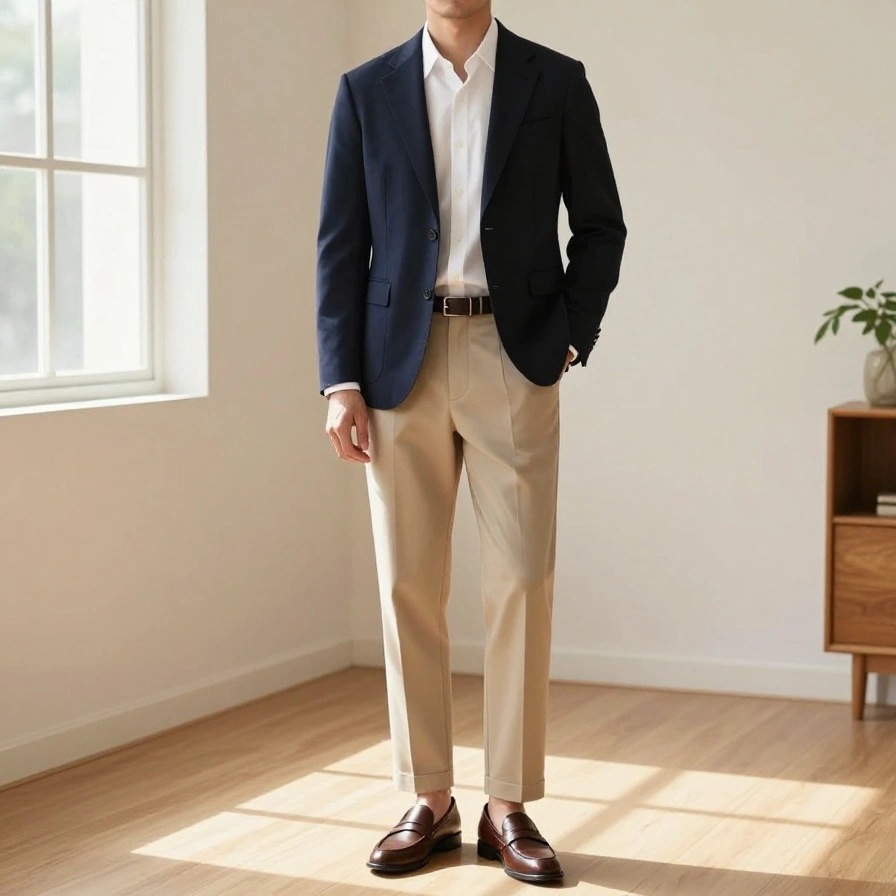
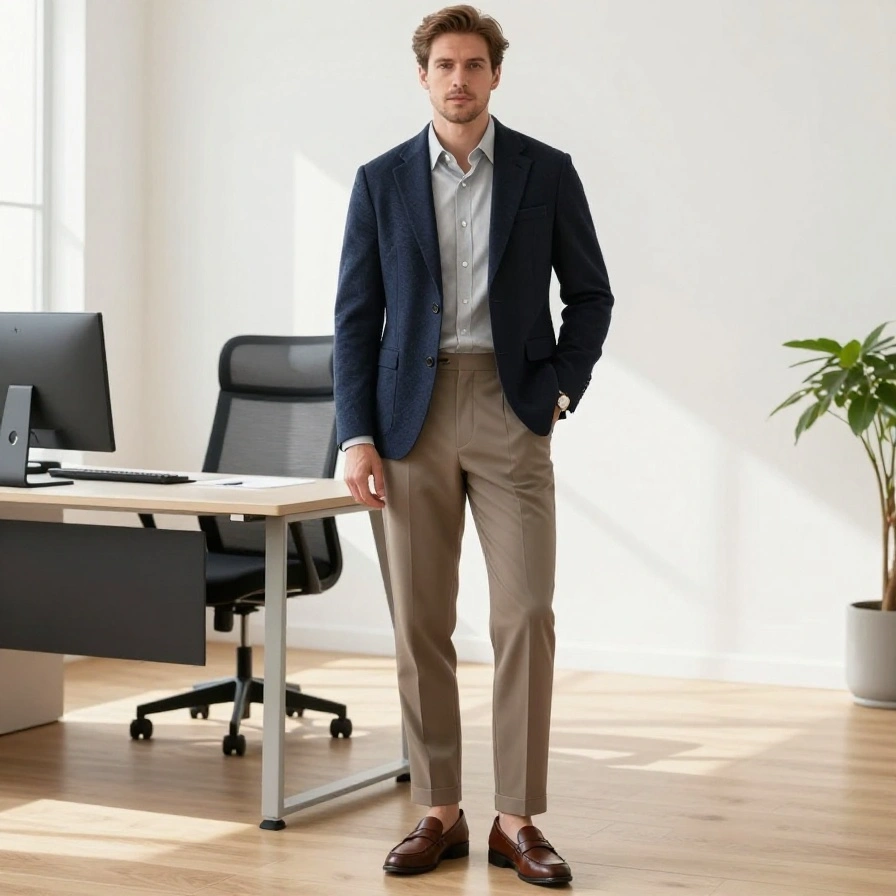
A navy blazer instantly gives a relaxed outfit a more polished direction without making it feel overly formal. Pairing it with a clean white shirt and tailored beige trousers creates an easy contrast that works beautifully for dinners, meetings, and polished weekend plans. I’ve noticed this combination looks especially balanced when the trousers have a slightly tapered shape rather than appearing extremely slim. Brown loafers or derbies complete the palette naturally. The result feels intentional, comfortable, and current while still preserving the timeless appeal that makes navy tailoring one of the most useful pieces in a modern wardrobe.
The best part is how easily this combination adapts to different settings. For a more professional appearance, choose a structured blazer, tucked shirt, and leather belt that matches the shoes. For a relaxed interpretation, leave the top button open and select loafers without visible socks. Fabric also makes a noticeable difference; lightweight wool, cotton blends, and textured weaves can soften the overall appearance. Keep accessories restrained so the navy jacket remains the visual anchor. This simple formula is particularly useful when you want to look dressed up without appearing as though you are wearing a complete traditional suit.
Charcoal Trouser Combo
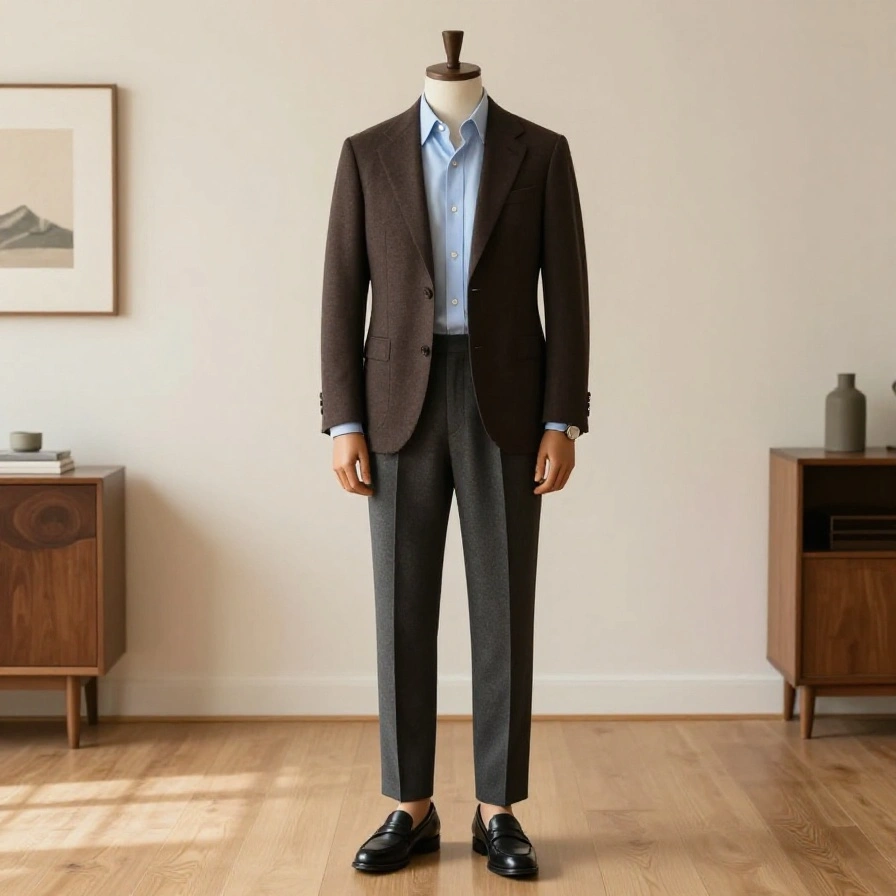
Charcoal trousers are one of the easiest ways to create a sophisticated outfit without relying on matching suit pieces. Their darker neutral tone gives the lower half a defined shape, while a light blue Oxford shirt keeps the upper half fresh and approachable. Adding a brown blazer creates enough contrast to make the outfit visually interesting without becoming loud. In my experience, this pairing works particularly well when each piece has a slightly different texture. A smooth shirt, textured jacket, and matte trousers create depth while maintaining the clean appearance expected from polished smart casual dressing.
Small styling choices can completely change the finished look. A tailored trouser with a clean break works well for formal occasions, while a slightly shorter hem feels more contemporary for casual settings. Dark loafers keep the outfit streamlined, but suede footwear can introduce a softer finish. Avoid adding too many competing colors because charcoal already provides strong visual structure. A simple watch, leather belt, and neatly pressed shirt are usually enough. This combination also transitions easily from daytime meetings to evening plans, making it a practical option for men who want one dependable outfit formula with plenty of flexibility.
Beige Blazer Look
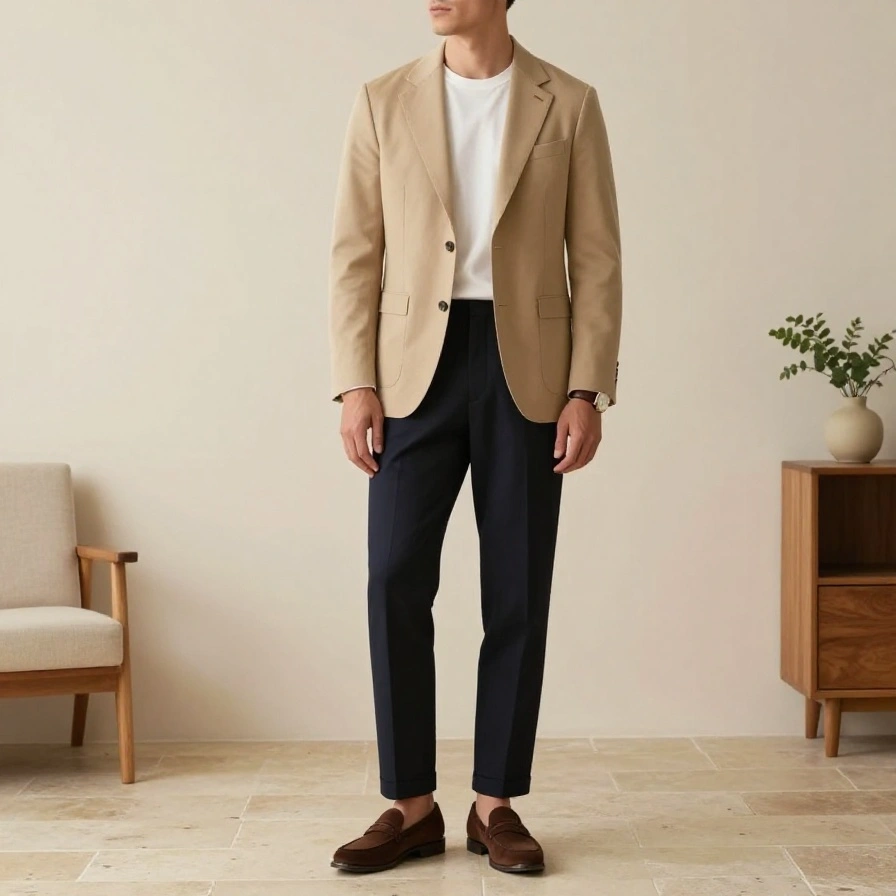
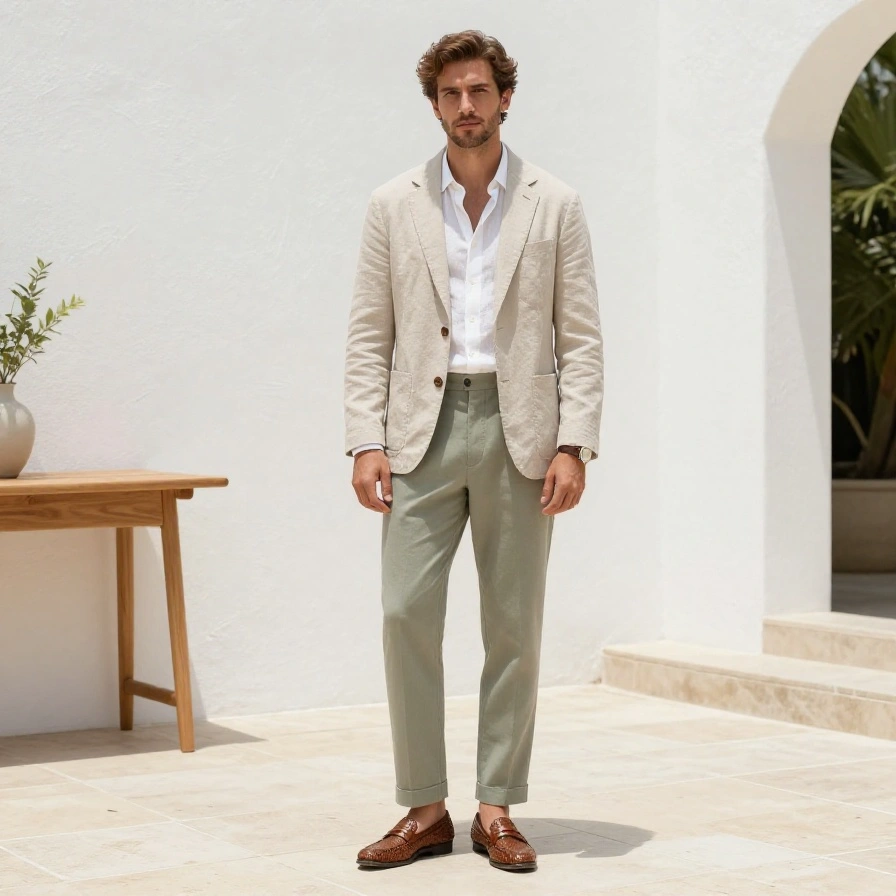
A beige blazer brings instant lightness to a polished wardrobe, especially when paired with darker trousers. The combination of warm beige and deep navy creates a refined contrast that feels modern without chasing short-lived trends. A simple white shirt keeps the center of the outfit clean, allowing the blazer to remain the main visual feature. I’ve seen this color pairing work particularly well during daytime events because the lighter jacket reflects natural light and makes the entire outfit appear fresher. The structured tailoring still looks refined, while the softer palette makes the overall appearance approachable and effortless.
For the most balanced result, choose beige shades with warm or neutral undertones and avoid overly yellow fabrics. Dark navy trousers provide enough contrast to define the silhouette, while brown suede loafers connect naturally with the warmer jacket. A leather watch or slim belt can reinforce that connection without adding unnecessary decoration. If the setting is more relaxed, replace the white shirt with a fine-gauge knit or clean crew-neck top. The beauty of this outfit lies in its adaptability: it can look refined at a daytime celebration, polished at dinner, or comfortably elevated for a stylish weekend gathering.
Black Polo Pairing
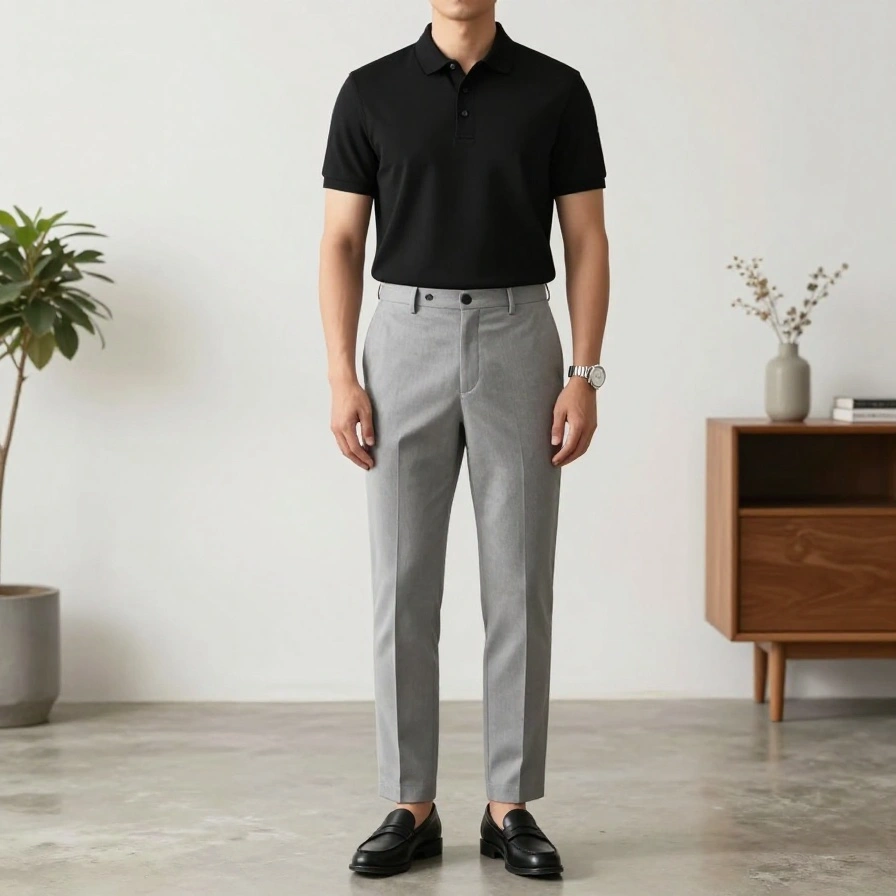
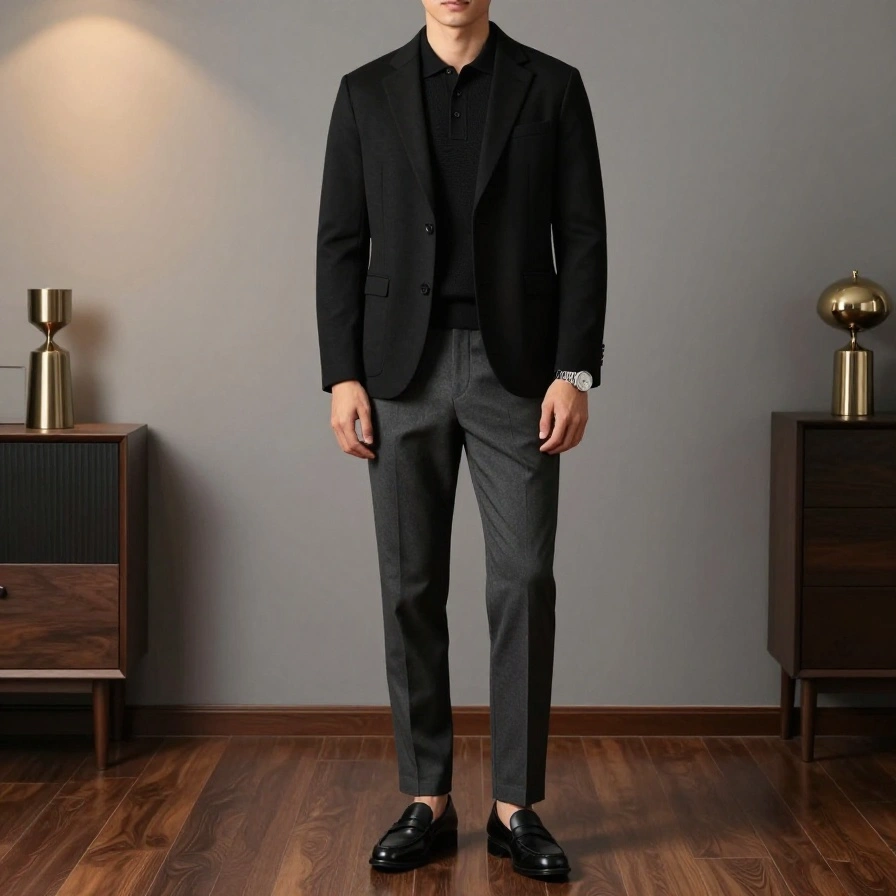
A black polo shirt can make tailored dressing feel noticeably more relaxed while preserving a clean, sophisticated appearance. Pairing it with light gray trousers creates a strong tonal contrast that immediately sharpens the silhouette. The simplicity also makes the outfit easy to wear when you want something polished without a button-down shirt. In my experience, the fit matters more than adding extra accessories here. A polo that sits neatly across the shoulders and trousers that fall cleanly from the waist create enough structure on their own. Black loafers or sleek leather sneakers can then complete the look without visual clutter.
Texture can make this simple combination feel considerably more expensive and intentional. Try a knitted or pique polo with trousers made from lightweight wool or a refined cotton blend. Keep the polo tucked in when you want a more formal finish, especially for dinners or business-casual occasions. For a relaxed setting, wearing it untucked can create a modern silhouette. A minimalist watch adds just enough detail. Avoid oversized logos or heavily contrasting accessories, as they can interrupt the streamlined appearance. This outfit is particularly useful for men who prefer understated clothing but still want a noticeably polished presence.
White Shirt Layers
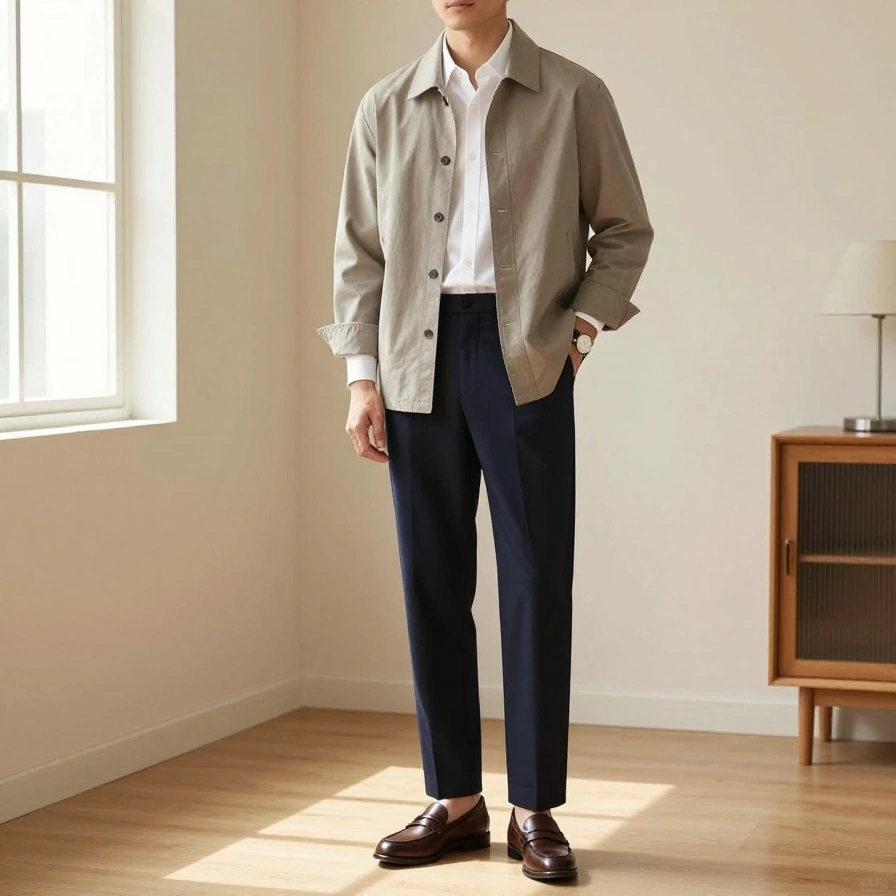
A crisp white shirt becomes far more versatile when used as the foundation for lightweight layering. Adding a taupe overshirt introduces dimension while keeping the palette sophisticated and easy to coordinate. Navy trousers provide a darker base, creating a balanced transition from the lighter upper half to the footwear. This approach works particularly well during transitional weather when a blazer feels too formal but a shirt alone seems incomplete. I’ve noticed that keeping the layers relatively slim prevents the outfit from looking bulky. The result feels polished enough for casual offices while remaining comfortable for dinners and everyday plans.
The materials you choose can make this layered look feel either casual or refined. A brushed cotton overshirt creates a relaxed texture, while a smooth wool-blend layer appears more elevated. Keep the white shirt neatly pressed and allow only a small amount of the collar to show above the outer layer. Brown loafers or derbies add warmth without competing with the neutral colors. For a more casual finish, leave the shirt untucked and choose minimal leather sneakers. The overall formula is practical because each piece can also be worn separately, giving you several outfit combinations from a small wardrobe.
Earth Tone Ensemble
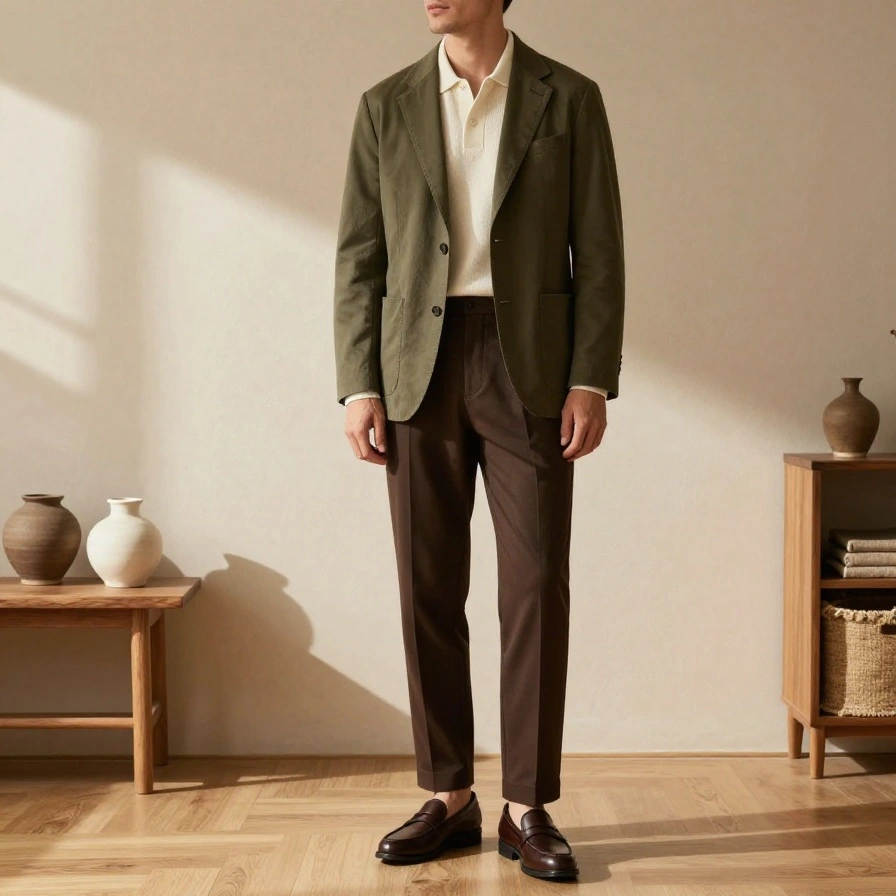
Earth tones offer an understated alternative to traditional navy, black, and gray tailoring. Combining olive, cream, and chocolate brown creates a warm palette that feels sophisticated without appearing overly formal. The colors naturally complement one another, so the outfit remains cohesive even when individual pieces have different textures. A cream knit shirt brightens the upper body, while brown trousers provide structure and depth. In my experience, earth-tone outfits look particularly polished when the shades vary slightly rather than matching exactly. That subtle variation creates visual dimension and keeps the overall appearance relaxed, contemporary, and thoughtfully coordinated.
Texture is especially important when working with several muted colors. A knitted top, structured blazer, and softly textured trousers prevent the outfit from appearing flat or overly uniform. Dark brown loafers provide a natural finishing point, while a simple leather watch can echo the footwear. For daytime occasions, lighter olive and cream shades create an airy effect. For evening events, deeper olive and chocolate tones can feel richer and more sophisticated. Keep patterns minimal so the colors remain the focus. This combination is ideal when you want a polished wardrobe that feels modern while moving beyond conventional monochrome styling.
Monochrome Gray Outfit
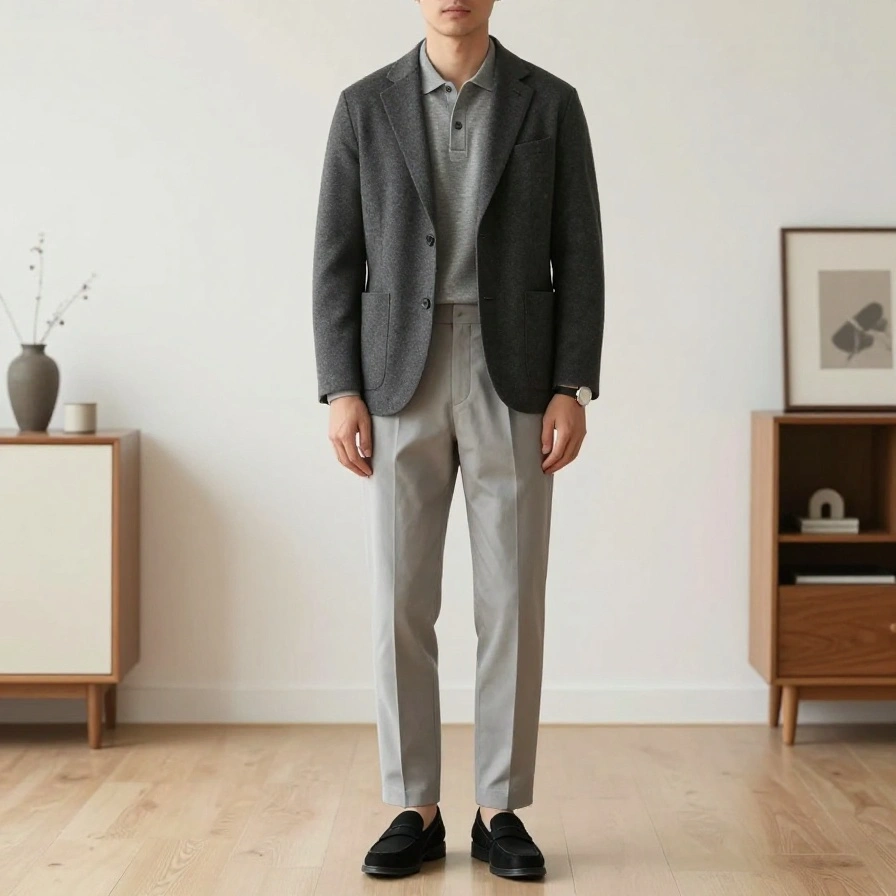
A monochrome gray outfit proves that neutral dressing does not have to look plain. Combining charcoal, medium gray, and light gray creates a layered appearance where the difference comes from tone and texture rather than bright color. A darker blazer gives the shoulders structure, while a lighter trouser visually opens the lower half. The knit polo adds softness between the tailored pieces. I’ve noticed this approach works particularly well when every item has a slightly different finish. Smooth cotton, textured knitwear, and refined suiting fabric create enough contrast to make the outfit interesting while keeping the overall appearance exceptionally clean.
The key to making gray-on-gray dressing work is avoiding a completely identical color match. Instead, build the outfit from clearly separated shades so each piece remains visible. A charcoal jacket over a medium-gray top and pale-gray trousers creates a natural visual progression. Black loafers add definition at the bottom without introducing a distracting color. For a softer appearance, suede shoes can replace polished leather. Keep accessories minimal and choose simple metal details. This outfit is especially useful for office settings, evening dinners, and occasions where you want to appear polished and contemporary without relying on bold patterns or statement colors.
Loafers With Trousers
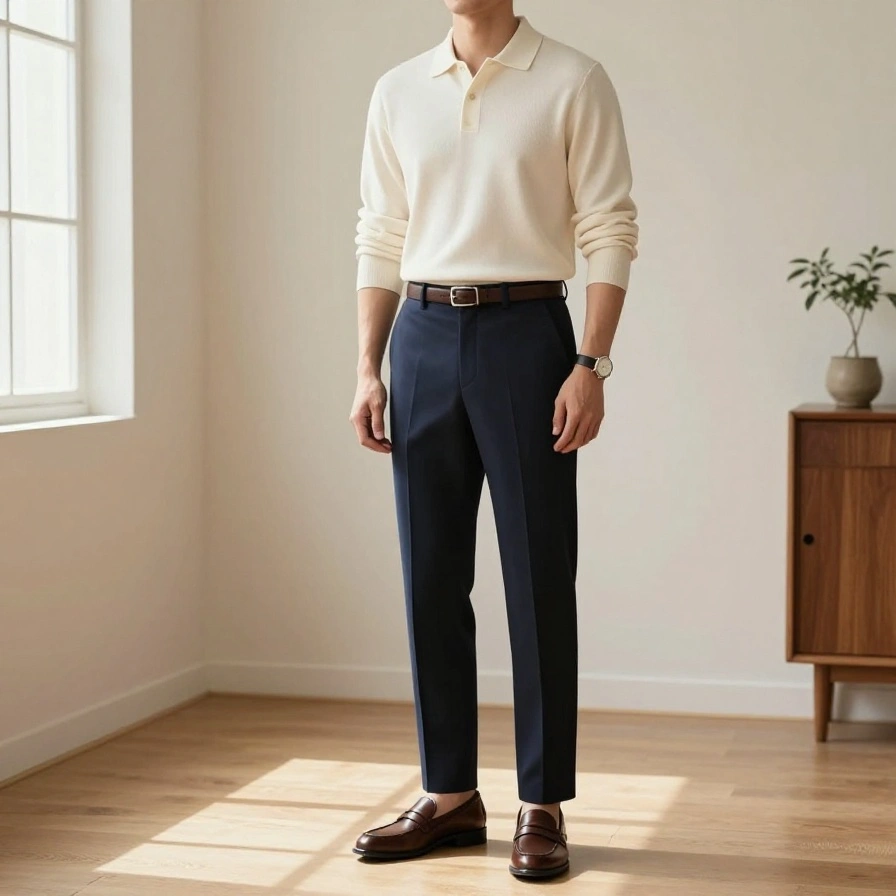
Few footwear choices make tailored trousers feel as effortlessly polished as a well-fitted pair of loafers. Their low profile keeps the ankle area visually clean, allowing the trousers to fall naturally without creating excessive bulk. Pairing navy trousers with a cream knit polo creates an easy contrast, while brown leather loafers introduce warmth. In my experience, the trouser hem makes a surprising difference here. A clean, slightly cropped break allows the loafers to become part of the outfit rather than disappearing underneath the fabric. The result is sophisticated enough for dinners while remaining relaxed enough for everyday smart casual settings.
When choosing loafers, consider both material and structure. Smooth leather creates a dressier impression, while suede gives the same silhouette a softer, more relaxed appearance. Keep the trousers tailored through the thigh and gently tapered toward the ankle for a balanced shape. Socks can either match the trousers for a continuous line or remain hidden for a lighter warm-weather look. A coordinated belt is useful when wearing visible leather footwear. Avoid excessively chunky shoes because they can overpower slim tailoring. This simple combination works especially well when you want comfort, versatility, and a polished appearance from just a few reliable wardrobe pieces.
Knit Polo Styling
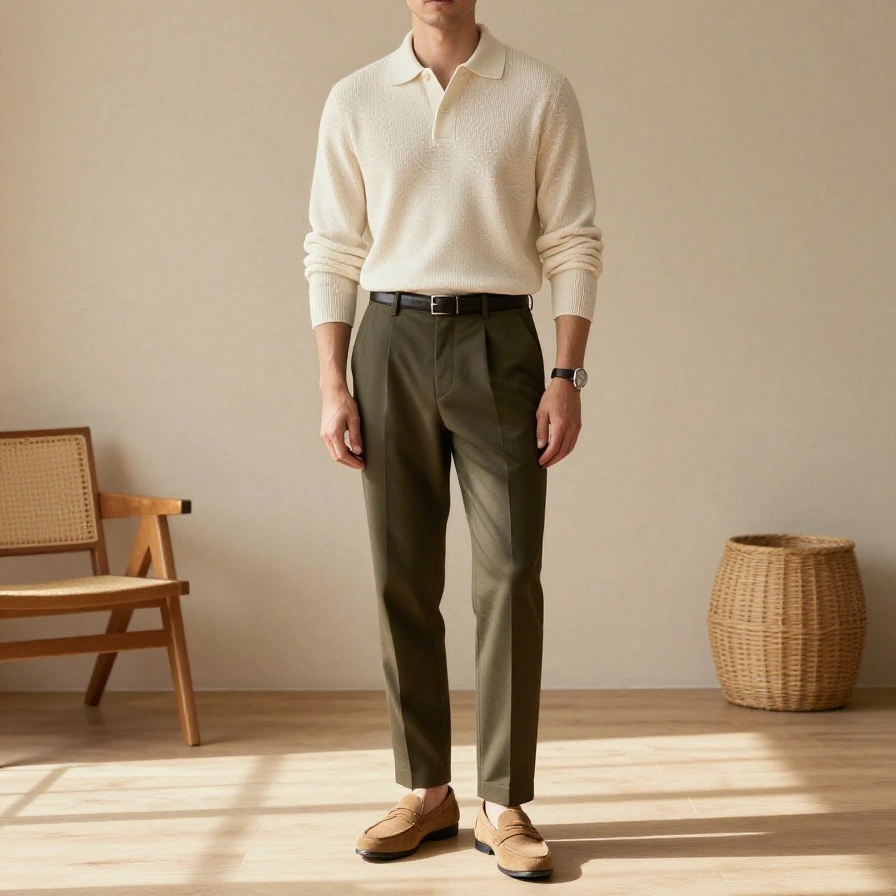
A knit polo offers an excellent middle ground between a traditional shirt and a casual T-shirt. Its textured surface immediately adds refinement, while the collar preserves a structured appearance around the face. Pairing a cream knit polo with dark olive trousers creates a subtle contrast that feels contemporary without becoming overly colorful. The tan suede loafers reinforce the relaxed character of the knit fabric. I’ve found that medium-weight knit polos are especially versatile because they hold their shape better than very thin versions. They can comfortably move from daytime appointments to dinner while maintaining a clean, intentional silhouette.
The styling becomes even stronger when the proportions remain simple. Choose trousers with enough room for comfortable movement but avoid excessive volume that could compete with the knit top. A subtle tuck can define the waist, while leaving the polo untucked creates a more relaxed appearance. Suede loafers or minimal leather sneakers both work depending on the occasion. Keep jewelry and accessories restrained so the knit texture remains noticeable. This combination is particularly practical for men who dislike stiff formal shirts but still want their outfit to look elevated, coordinated, and appropriate for settings that require more polish than everyday casual clothing.
Double Breasted Blazer
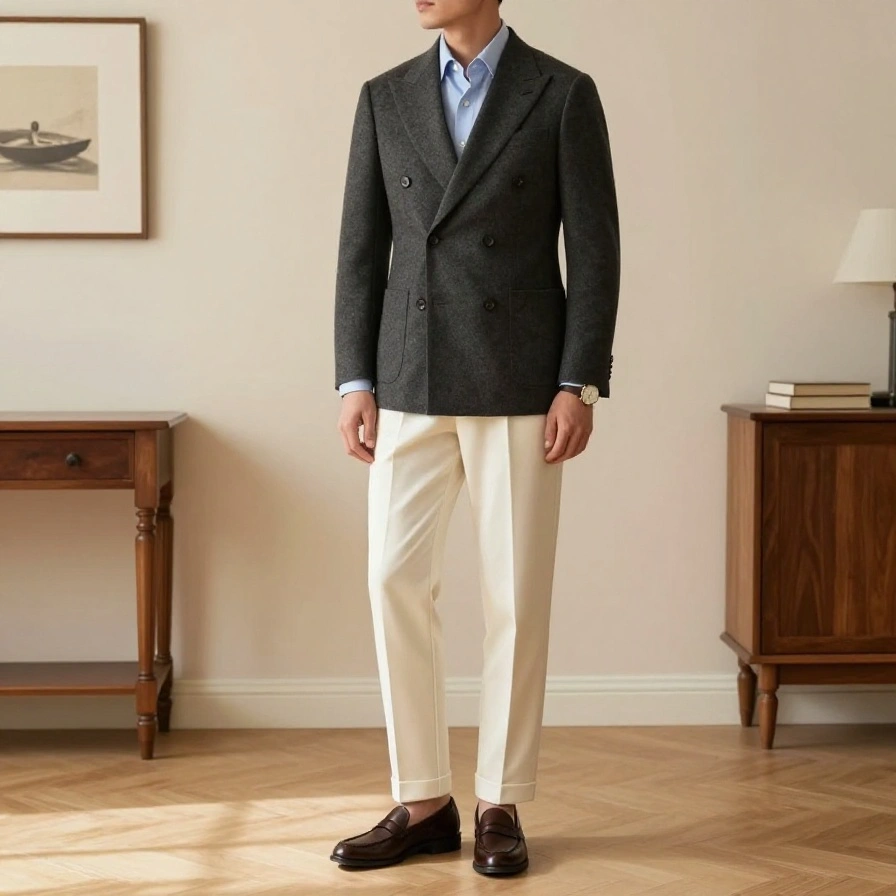
A double-breasted blazer can give a smart casual outfit a noticeably stronger silhouette without requiring a complete suit. The overlapping front creates visual structure around the torso, while the pale blue shirt keeps the look approachable. Cream trousers balance the darker blazer and prevent the outfit from appearing too heavy. In my experience, this style works best when the jacket has clean shoulders and a natural waist rather than an exaggerated shape. Brown loafers then soften the overall appearance. The combination feels polished enough for important meetings while remaining comfortable and contemporary for dinners and social occasions.
Proportion is especially important with double-breasted tailoring because the jacket already creates visual volume across the chest. Choose trousers with a moderate taper rather than extremely slim legs to keep the silhouette balanced. Leaving the jacket buttoned creates a sharper impression, while a textured shirt or knit top can make it feel more relaxed. Keep accessories simple because the blazer naturally becomes the focal point. A neutral pocket square can add subtle refinement if appropriate. This outfit is particularly useful when you want traditional tailoring to feel modern, confident, and wearable rather than excessively formal or corporate.
Relaxed Suit Styling
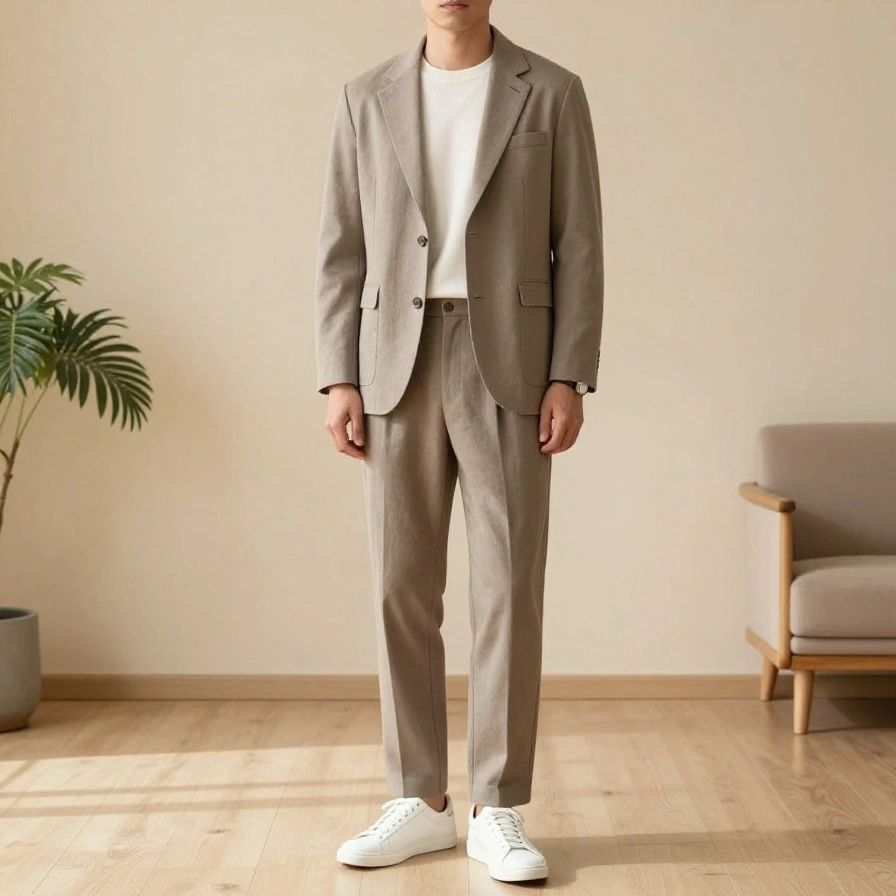
A relaxed suit offers the structure of traditional tailoring with a noticeably easier attitude. An unstructured taupe blazer and matching trousers create a cohesive foundation, while a simple white knit replaces the conventional dress shirt. This small change immediately makes the outfit feel more approachable without losing its polished character. I’ve noticed that softer tailoring is particularly useful when a traditional suit feels too restrictive or formal for the occasion. Minimal sneakers can reinforce that relaxed direction, especially when the trousers are neatly hemmed. The overall result feels modern, comfortable, and intentional rather than casually thrown together.
Fabric selection can make a major difference in how relaxed the suit appears. Linen blends, lightweight wool, and cotton tailoring tend to drape naturally and avoid the stiff appearance associated with heavily structured suits. Keep the jacket lightly fitted through the shoulders while allowing comfortable movement through the body. A clean crew-neck top works especially well because it creates a simple neckline beneath the lapels. For a dressier setting, replace sneakers with loafers. This styling approach is ideal for creative workplaces, daytime celebrations, travel, and dinners where you want tailored coordination without traditional business-suit formality.
Brown Blazer Combination
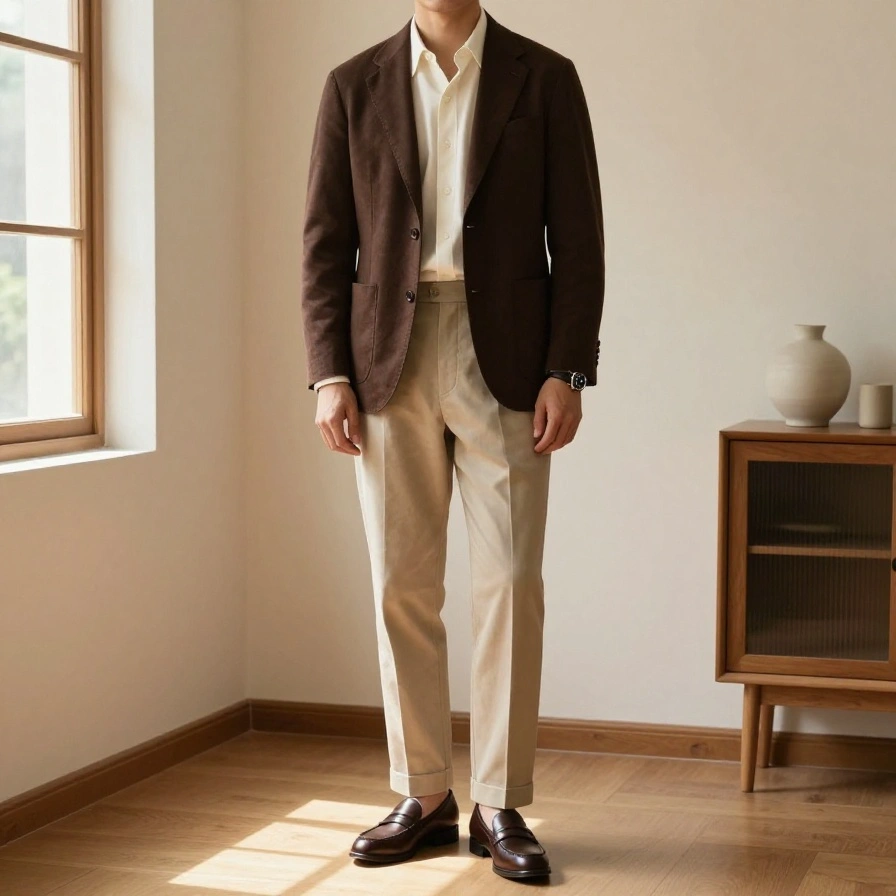
A brown blazer gives classic tailoring a warmer and more distinctive direction. Pairing rich chocolate brown with stone trousers creates a sophisticated contrast while keeping the overall palette grounded in neutral tones. An ivory shirt softens the combination further, making it feel less stark than a traditional white-and-black pairing. I’ve seen this color combination work particularly well during autumn and transitional seasons, although lightweight brown tailoring can easily work year-round. Dark leather loafers complete the outfit naturally. The result feels refined without appearing overly formal, making it useful for dinners, celebrations, office occasions, and polished weekend gatherings.
To keep the outfit contemporary, focus on clean proportions and subtle color variation. Avoid matching the blazer too closely with the trousers because the separation between brown and stone creates much-needed definition. A textured blazer can add depth, while smoother trousers keep the lower half visually controlled. Choose leather accessories in chocolate or espresso tones rather than introducing black unnecessarily. If the occasion is relaxed, an ivory knit polo can replace the button-down shirt. This combination demonstrates how a small shift from conventional dark tailoring can create an outfit that feels warmer, more individual, and equally polished.