
17 Hydrating Skincare Ideas for Dewy, Glowing Skin
Dewy skin is not about looking oily or shiny. It is about skin that looks plump, smooth, and lit from within, like it just drank a big glass of water. The secret is hydration, layered properly. When your skin holds enough moisture, fine lines look softer, your complexion looks brighter, and your makeup sits better too.
This list has 17 hydrating skincare ideas that build dewy, glowing skin step by step. You will learn which ingredients to look for, how to layer them, and the small habits that make hydration last all day. Start with two or three ideas, add more as they become routine, and watch your skin change over the next few weeks.
What Dewy Skin Really Means
Dewy skin is hydrated skin. It looks quenched and plump, with a soft sheen on the high points of the face, like the cheekbones and the bridge of the nose. The shine comes from moisture inside the skin, not oil sitting on top of it. That is why hydration works differently from just applying a shiny product. The goal is to draw water into the skin, then seal it in so it stays there. Every idea below does one of those two jobs, and together they build a glow that lasts all day.
1. Apply Hyaluronic Acid to Damp Skin
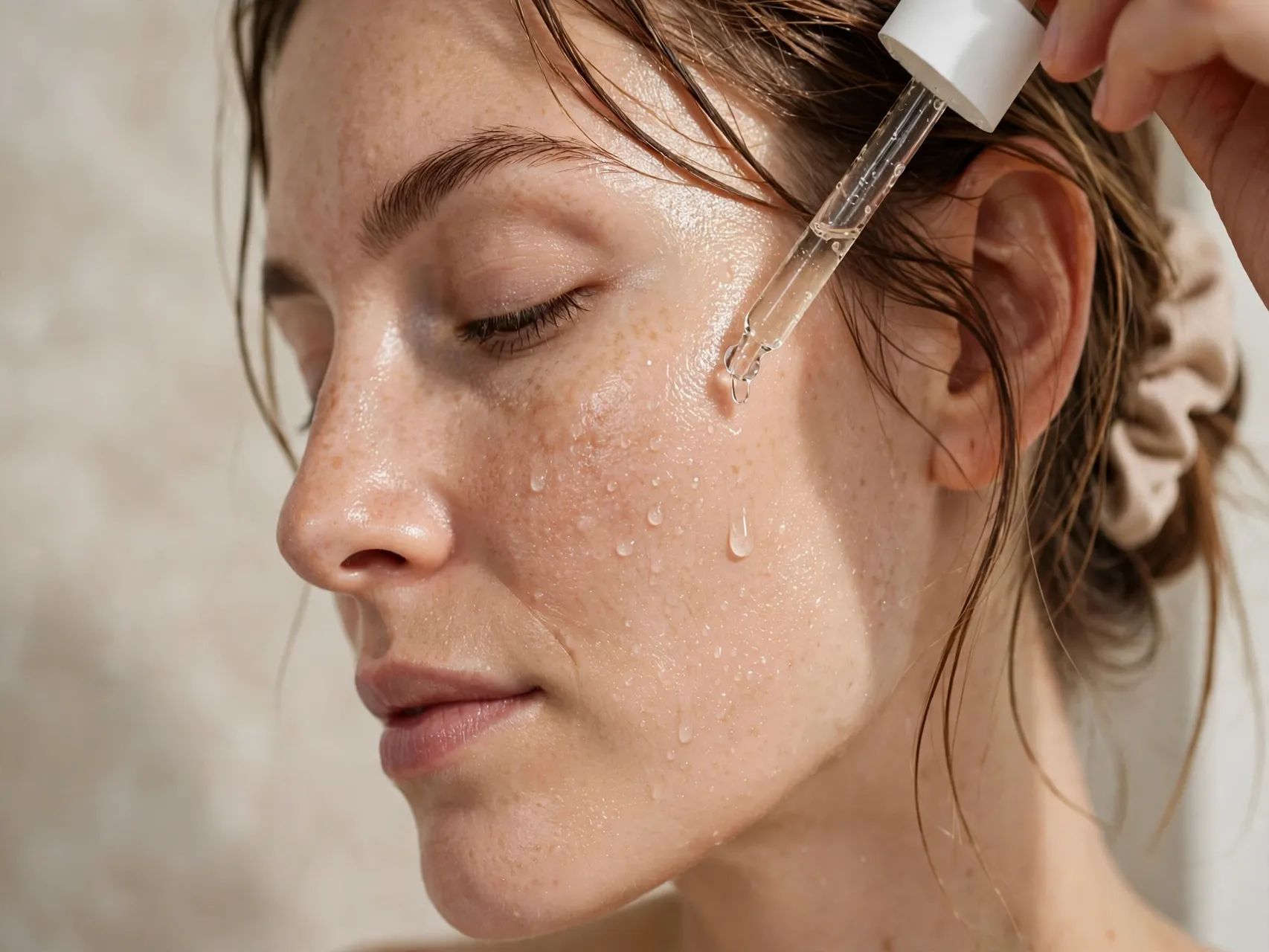
Hyaluronic acid is a humectant, which means it draws water into your skin. It can hold many times its weight in water, which is why it is the star ingredient for dewy skin. Apply a hyaluronic acid serum to damp skin right after cleansing, then seal it with moisturizer. If you apply it to dry skin in a dry climate, it can actually pull moisture out of your skin, so damp skin matters.
Try it: after cleansing, leave your face slightly wet, press in three or four drops of serum, then apply moisturizer within a minute.
2. Layer Your Hydration in Thin Steps

Dewy skin comes from layering, not from one heavy cream. Start with a hydrating toner or essence, add a serum, then a moisturizer. Each thin layer adds moisture, and the layers together hold more water than any single product could. This is the same principle behind the multi-step routines that give Korean skincare its famous glow. Keep each layer light so your skin absorbs it fully.
Try it: wait about thirty seconds between layers so each one sinks in before you add the next.
3. Use a Hydrating Toner or Essence

A hydrating toner or essence is the first layer of moisture after cleansing. Look for formulas with glycerin, hyaluronic acid, or panthenol. Pat it into your skin with your hands instead of a cotton pad, so you do not waste product and you press the moisture in. You can apply two layers on very dry days for extra hydration.
Try it: if your skin feels tight after cleansing, your toner layer is the fastest way to fix it.
4. Switch to a Creamy, Gentle Cleanser

A harsh foaming cleanser strips your skin and leaves it dry and tight, which kills any chance of dewiness. Switch to a creamy or milky cleanser that removes dirt and makeup without stripping your natural oils. Your skin should feel soft and comfortable after washing, never squeaky. A gentle cleanser protects your barrier, and a healthy barrier holds moisture better.
Try it: if your skin feels dry after washing, try cleansing with lukewarm water and a cream cleanser for a week.
5. Seal Everything With a Good Moisturizer
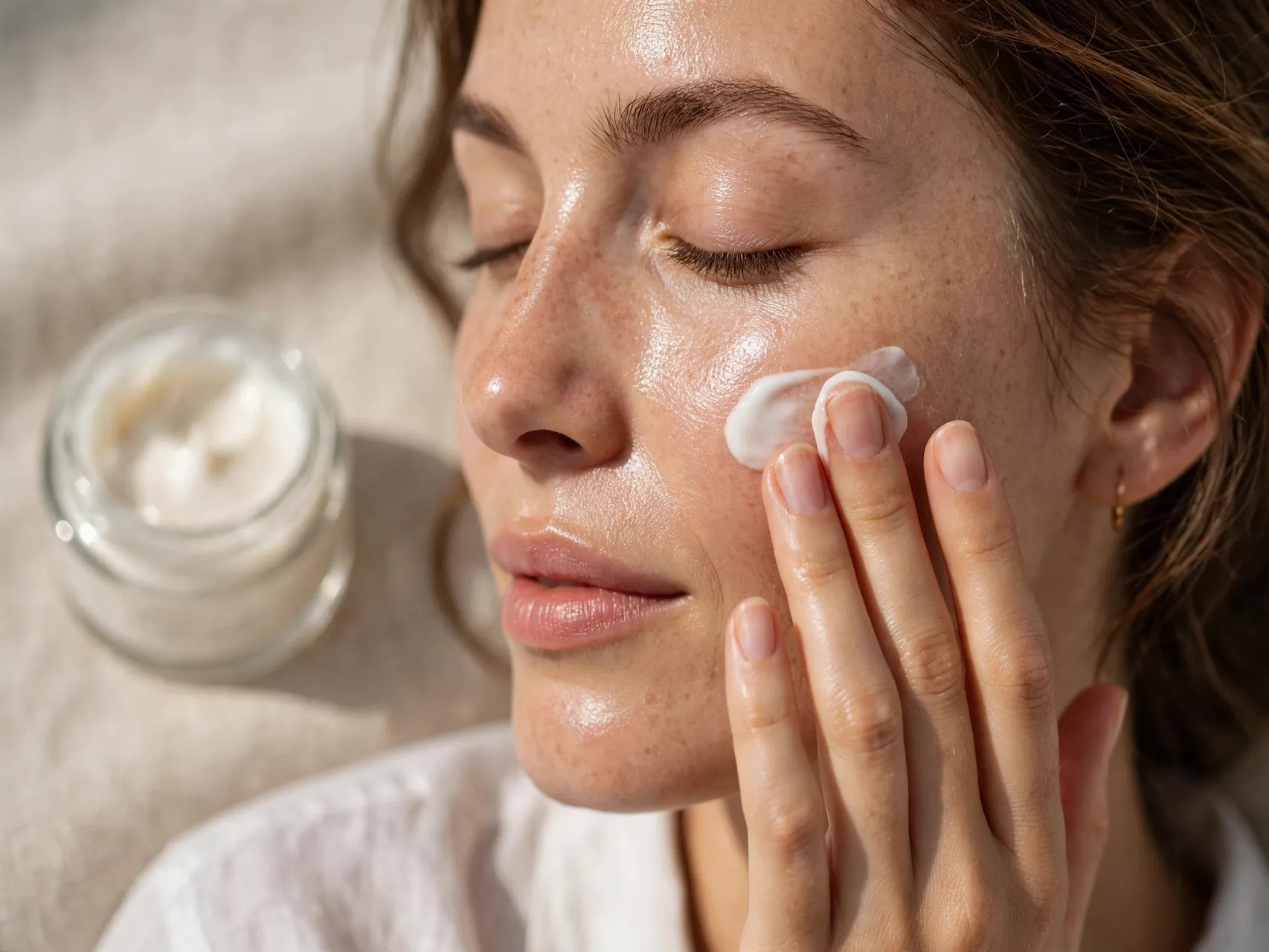
Serums draw water in, but moisturizer seals it there. Without a moisturizer on top, the hydration from your serum evaporates within minutes. Choose a moisturizer with ceramides, squalane, or glycerin, and apply it while your skin is still slightly damp from your serum. In winter, switch to a richer cream. In summer, a gel cream may be enough.
Try it: press your moisturizer into your skin with your palms instead of rubbing it, so it forms an even seal.
6. Add a Few Drops of Facial Oil
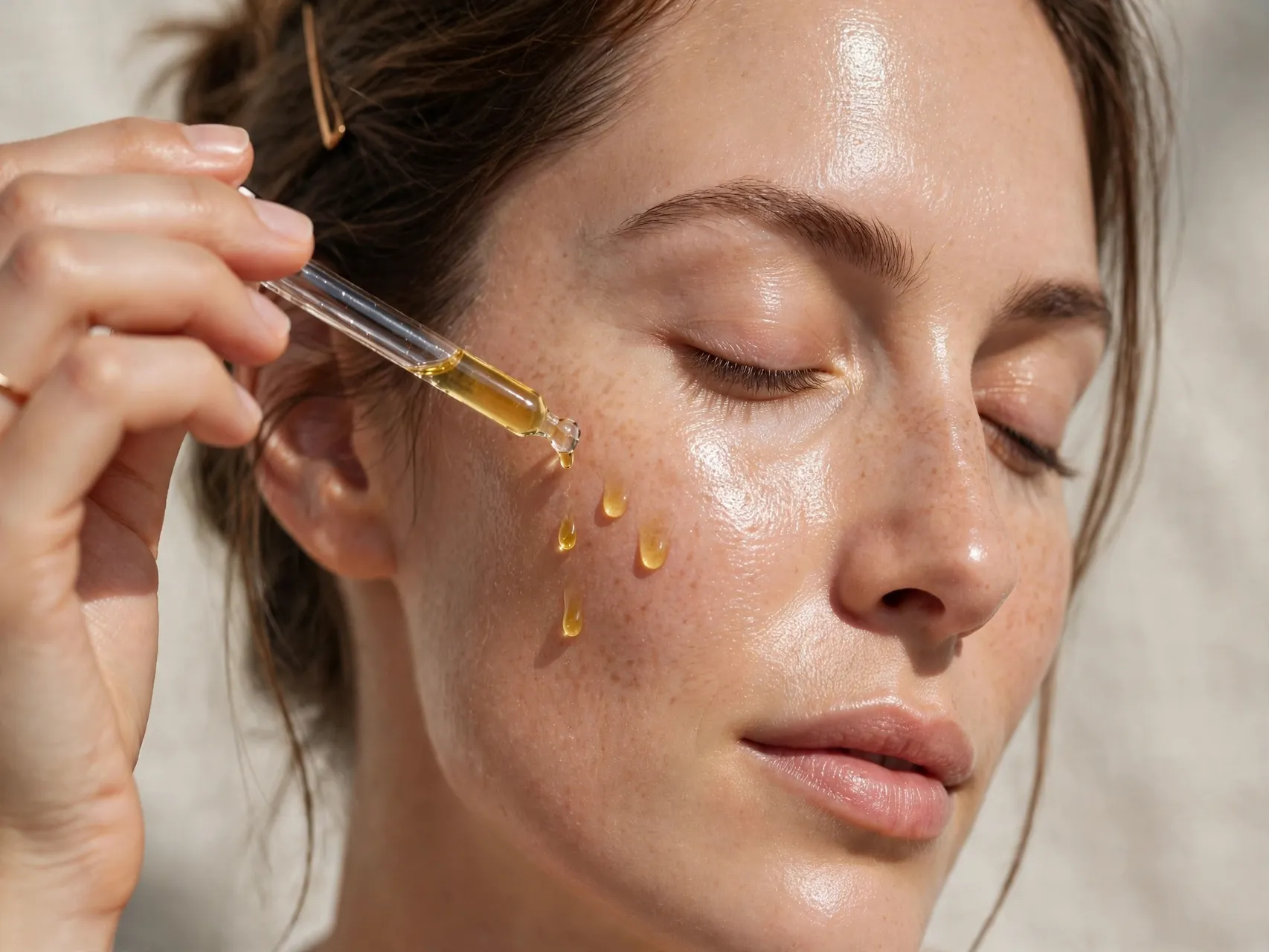
Facial oil is the final seal for dewy skin. After your moisturizer, warm two or three drops of a lightweight facial oil, like squalane or jojoba, between your palms and press it over your face. The oil locks in all the layers underneath and adds a soft, healthy glow. Oily skin can use oil too, since the right oil balances your skin instead of clogging it.
Try it: mix one drop of facial oil into your moisturizer instead of applying it separately, for a simpler routine.
7. Mist Your Face Through the Day

A hydrating face mist refreshes your skin and adds moisture back when the air dries it out. Keep a mist at your desk or in your bag, and spray it over your makeup in the afternoon when your skin starts to look dull. Look for mists with rose water, glycerin, or hyaluronic acid. Avoid mists that are mostly alcohol, since they dry your skin out further.
Try it: spray your mist, then press your palms gently over your face to help the moisture absorb instead of evaporating.
8. Use a Hydrating Sheet Mask Weekly
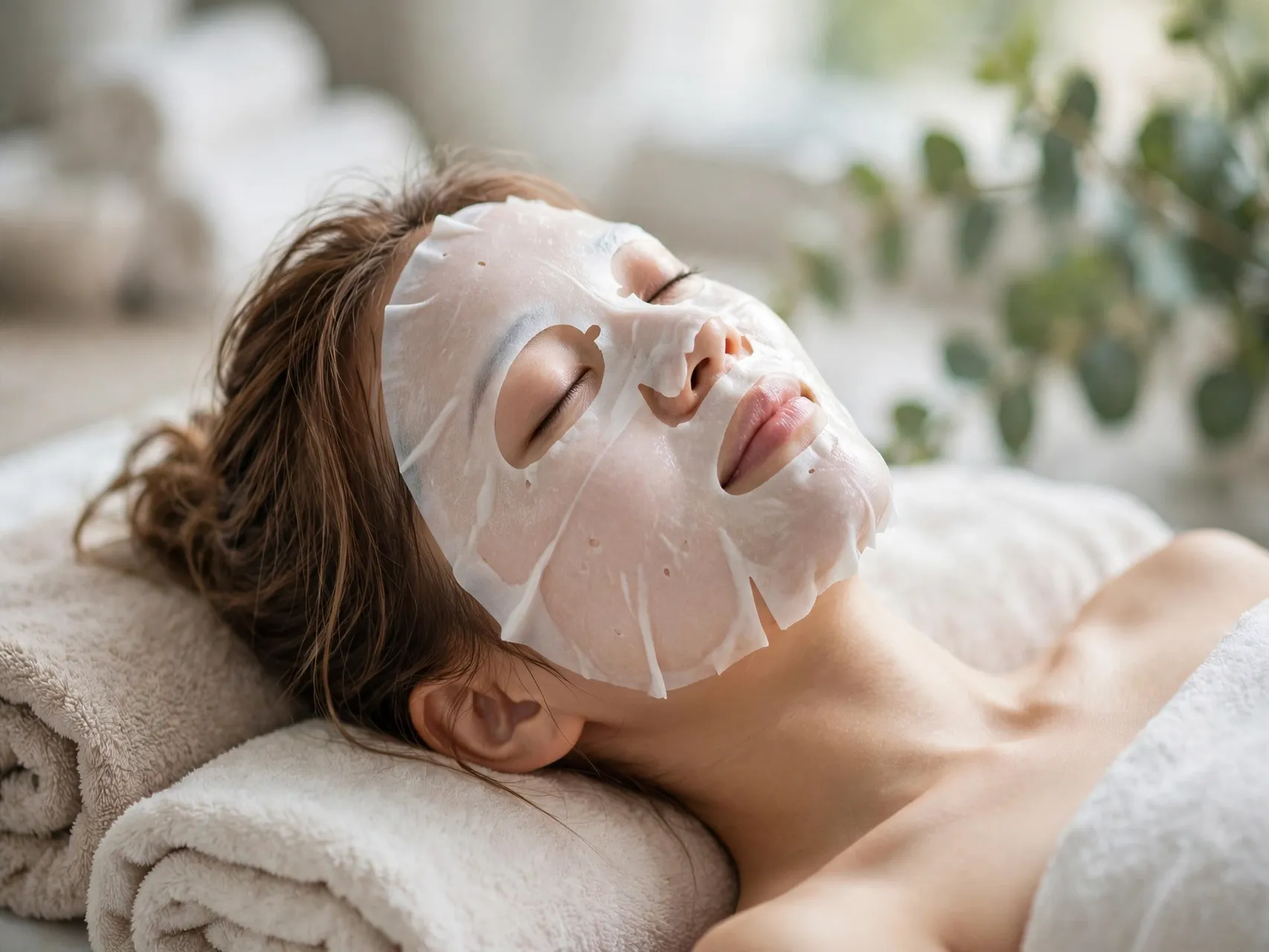
A sheet mask is a concentrated dose of hydration. The sheet keeps the serum pressed against your skin so it absorbs deeply instead of evaporating. Use a hydrating sheet mask once a week, or the night before a big event, for an instant dewy boost. Leave it on for fifteen to twenty minutes, then pat the remaining serum into your skin instead of rinsing it off.
Try it: store your sheet masks in the fridge. The cool temperature feels refreshing and helps reduce puffiness.
9. Try an Overnight Sleeping Mask
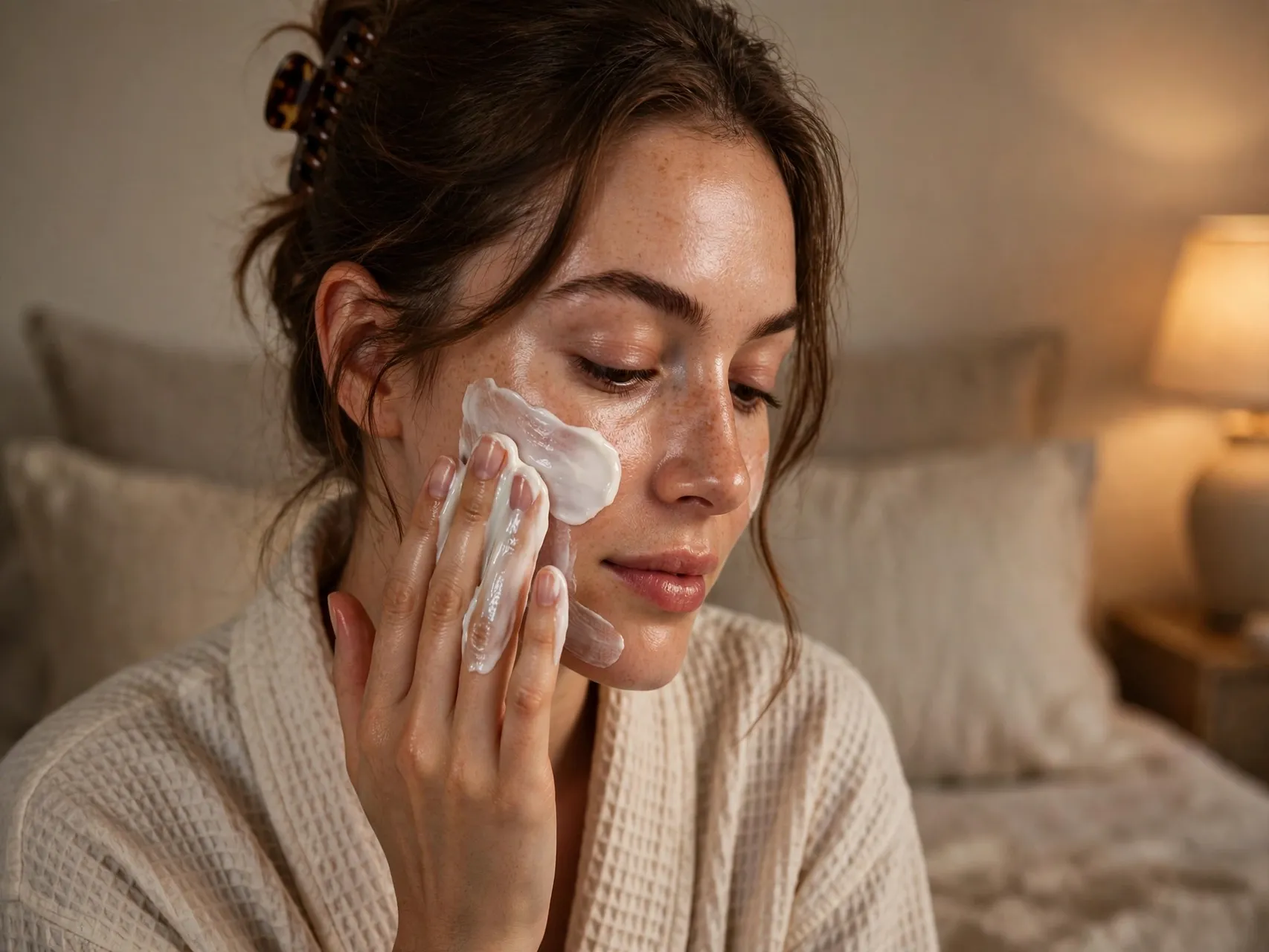
A sleeping mask is a richer moisturizer you apply as the last step of your night routine and leave on while you sleep. It seals in all your evening layers and gives your skin hours to absorb them. You will wake up with noticeably softer, plumper, more dewy skin. Use a sleeping mask two or three times a week, or every night in winter when your skin is driest.
Try it: apply a slightly thicker layer on your cheeks and forehead, where dryness shows most.
10. Exfoliate Gently So Moisture Can Get In

Dead skin cells build up on the surface and block your hydrating products from absorbing. Gentle exfoliation once or twice a week removes that barrier so your serums and moisturizers can actually reach your skin. Use a mild chemical exfoliant, like lactic acid or a low-strength glycolic product, and follow with extra hydration. Skip harsh scrubs that damage your barrier and make dryness worse.
Try it: exfoliate at night, then apply your richest moisturizer, so your skin recovers while you sleep.
11. Drink Water and Eat Water-Rich Foods

Hydration starts inside. Drink water steadily through the day, and eat foods with high water content, like cucumber, watermelon, oranges, and leafy greens. These foods give your skin water plus the vitamins that support its barrier. You do not need to drink an extreme amount of water, just keep a bottle nearby and make water your default drink.
Try it: add cucumber and berries to your water bottle. It tastes better, so you will drink more of it.
12. Use a Humidifier in Dry Weather

Indoor heating and air conditioning pull moisture out of the air, and dry air pulls moisture out of your skin. A humidifier in your bedroom adds moisture back to the air while you sleep, so you wake up with softer, more hydrated skin. This is especially helpful in winter, when indoor heat is at its driest. Clean the humidifier regularly so it stays hygienic.
Try it: run the humidifier at night and keep your bedroom door closed so the moisture stays in the room.
13. Apply a Hydrating Primer Before Makeup
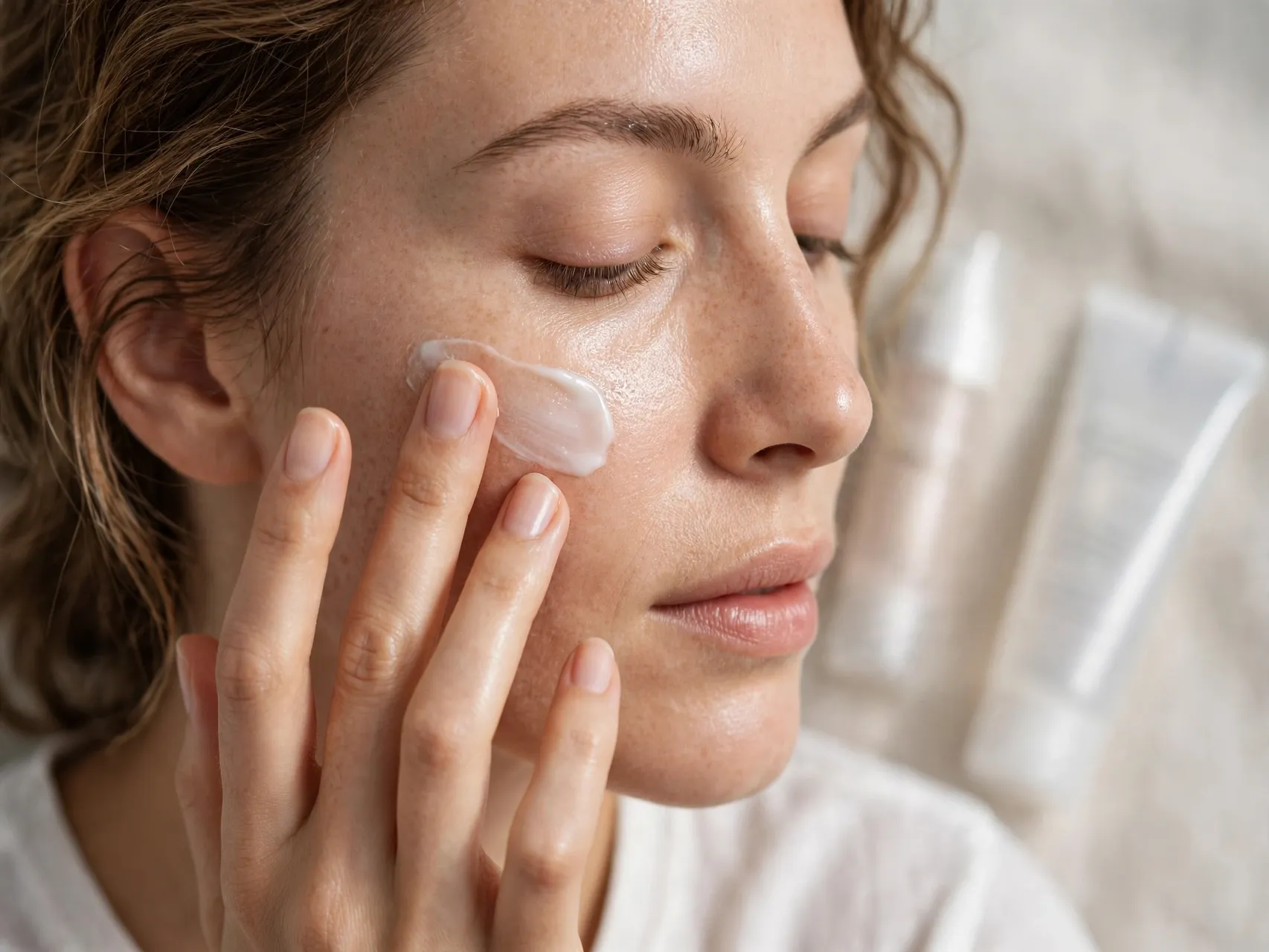
A hydrating primer creates a smooth, dewy base that helps your makeup look like skin instead of sitting on top of it. Apply it after your moisturizer and before your foundation or skin tint. Look for primers with glycerin or hyaluronic acid. A hydrating primer also stops your foundation from clinging to dry patches, which is the fastest way to ruin a dewy look.
Try it: mix a drop of liquid highlighter into your primer for an extra glow that shows through your base.
14. Choose Dewy Makeup Formulas

Your makeup can support your dewy skin or fight it. Choose a skin tint, a dewy foundation, or a tinted moisturizer instead of a matte foundation. Use cream blush and liquid highlighter instead of powder versions, since creams melt into the skin and look like a natural glow. Set only your T-zone with powder, and leave your cheeks dewy.
Try it: apply cream blush with your fingers and tap it in, so it blends into your skin instead of sitting on top.
15. Do Not Over-Cleanse Your Skin

Washing your face too often strips the oils and moisture your skin needs to stay dewy. Wash twice a day, morning and night, and rinse with water only if you need a midday refresh. Use lukewarm water, not hot water, since hot water strips your barrier. If your skin feels tight after washing, your cleanser or your water is too harsh.
Try it: on mornings when your skin feels balanced, try rinsing with water only and going straight to your hydrating toner.
16. Add a Vitamin C Serum for Brightness

Hydration makes skin plump, but brightness makes it glow. A vitamin C serum brightens dull skin, fades dark spots, and supports collagen production. Apply it in the morning after cleansing and before your moisturizer and sunscreen. It pairs well with hyaluronic acid, so you can layer them in the same routine. Use it consistently for a few weeks to see the full brightening effect.
Try it: store your vitamin C serum away from light and heat, and replace it when it turns dark orange, since that means it has oxidized.
17. Protect Your Glow With Sunscreen Every Day

Sun damage breaks down the collagen and moisture barrier that keep your skin dewy. Without sunscreen, all your hydrating work gets undone by UV rays. Apply a broad-spectrum SPF 30 or higher every morning as the last step of your routine. Choose a hydrating sunscreen formula if your skin is dry, so your sun protection adds moisture instead of leaving a chalky finish.
Try it: a sunscreen with a dewy finish can double as your primer, so you save a step and keep the glow.
Hydrating Skincare Ingredients to Know
Knowing what is on the label helps you choose products that actually hydrate. Hyaluronic acid is the best-known humectant, and it draws water into the skin. Glycerin does the same job at a lower cost, and it appears in almost every good moisturizer. Ceramides are lipids that repair your skin barrier so moisture stays locked in, which makes them essential for dry or sensitive skin. Squalane is a lightweight oil that mimics your skin's own oils, so it seals in hydration without feeling greasy.
Panthenol, also called pro-vitamin B5, soothes and hydrates at the same time. Urea is a gentle humectant that also softens rough patches. Niacinamide supports the barrier and calms redness while it hydrates. When you shop, look for two or three of these ingredients in a product rather than one. A serum with hyaluronic acid and glycerin, followed by a moisturizer with ceramides and squalane, covers every part of the hydration job. Avoid products with high amounts of drying alcohol, since they undo the moisture you just added.
Pro Tips for Dewy Skin That Lasts All Day
The key to lasting dewiness is sealing in moisture, not just adding it. Always apply your moisturizer over damp skin, and add a facial oil on your driest days. Carry a hydrating mist for afternoon refreshes, and use blotting papers instead of powder when you get shiny, since powder kills the glow. Avoid over-exfoliating, since a damaged barrier cannot hold moisture. And be patient. It takes two to four weeks of consistent layering for your skin to build up its hydration reserves and show a lasting dewy glow.
FAQs
What is the best hydrating skincare routine for dewy skin?
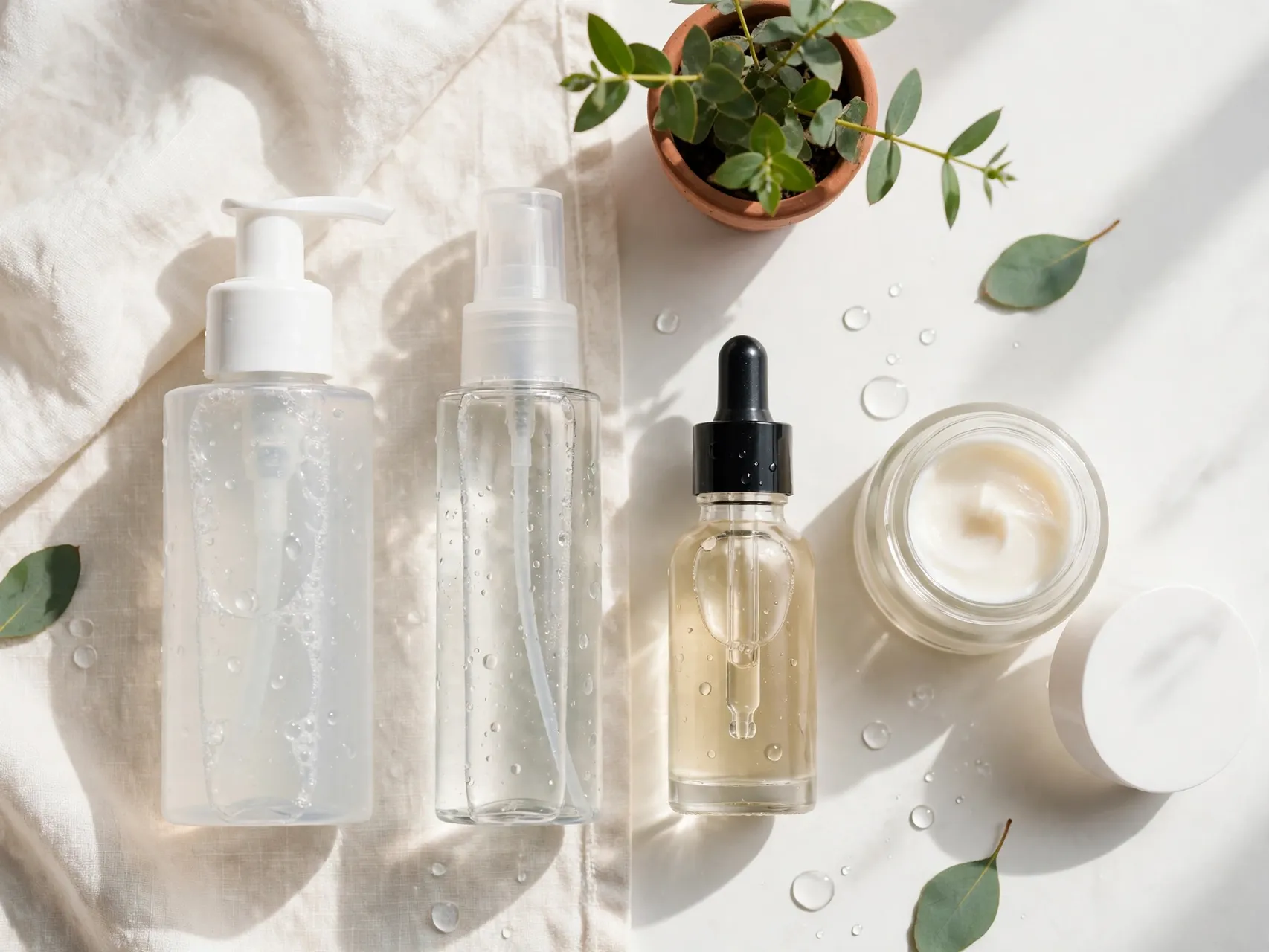
A simple routine works best: a gentle cleanser, a hydrating toner, a hyaluronic acid serum on damp skin, a moisturizer with ceramides, and sunscreen in the morning. At night, add a facial oil or a sleeping mask as the final step. Keep the layers thin and consistent, and give the routine two to four weeks before you judge the results, since hydration builds gradually.
How can I get dewy skin if my skin is oily?
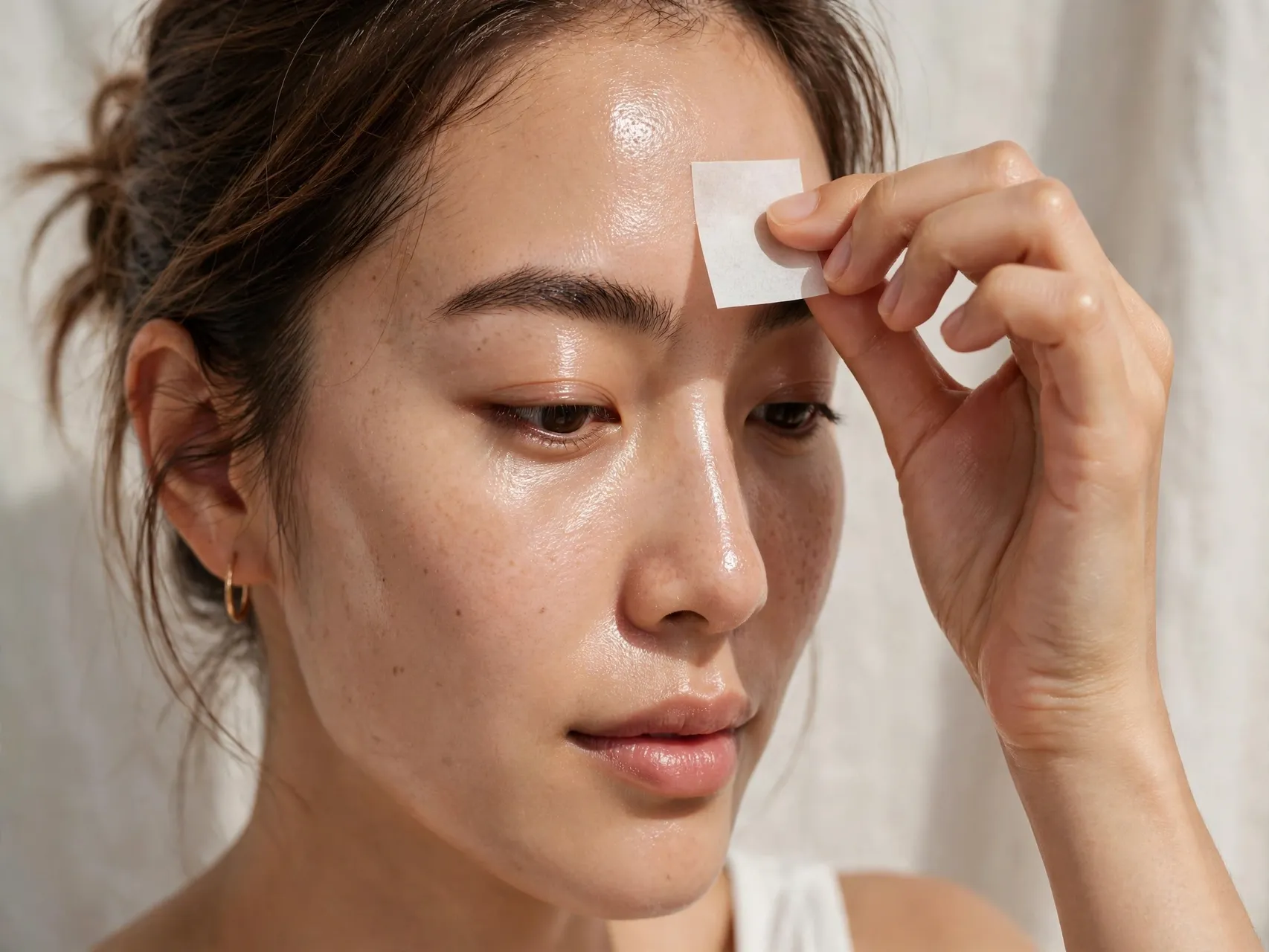
Oily skin can be dewy too. The key is hydration without heaviness. Use a gel moisturizer, a lightweight hyaluronic acid serum, and oil-free products. Dehydrated oily skin actually produces more oil, so hydrating it properly can reduce shine over time. Set only your T-zone with powder and leave your cheeks dewy.
Does hyaluronic acid really work for hydration?
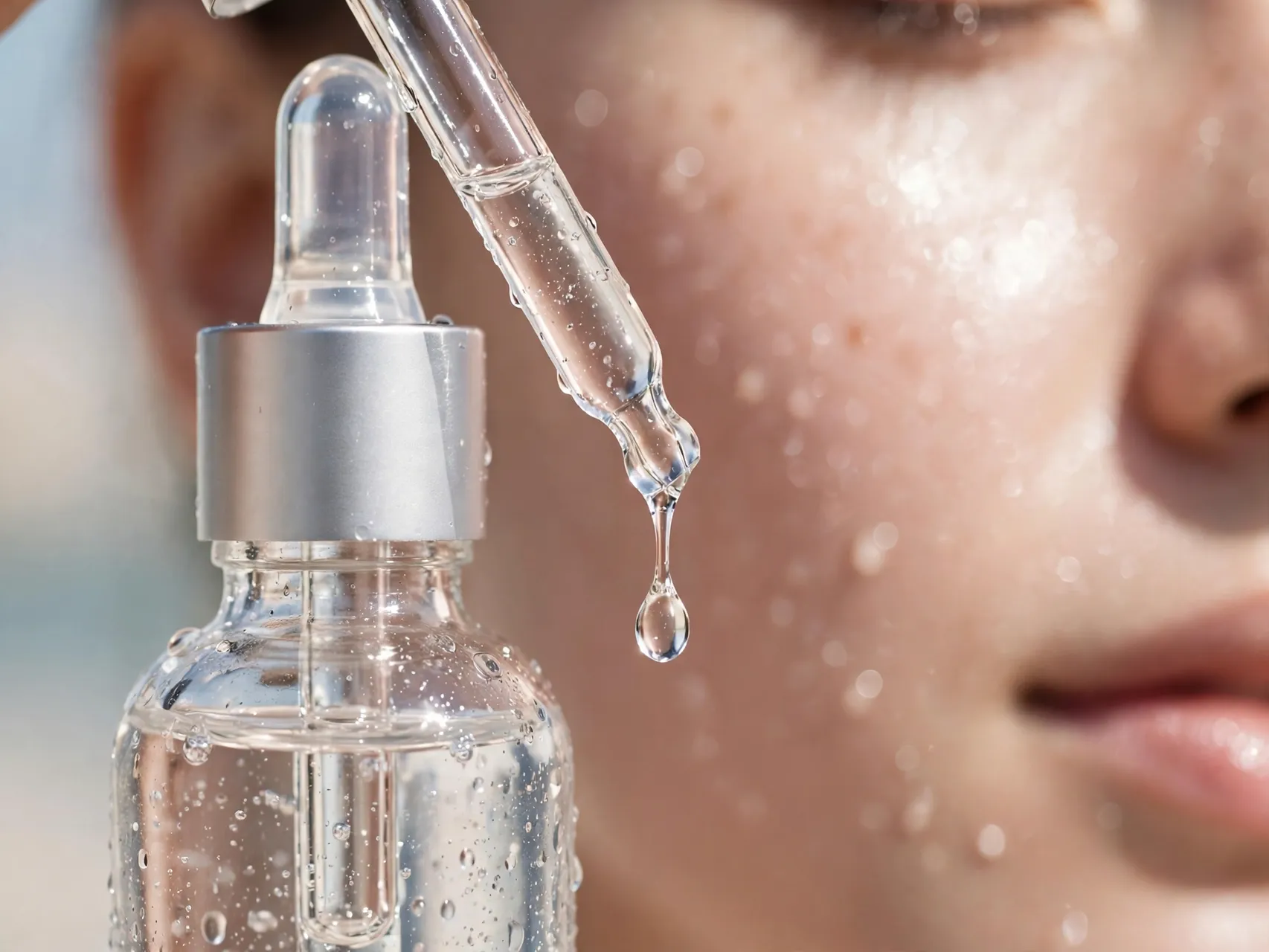
Yes. Hyaluronic acid is a humectant that draws water into the skin and helps it stay plump and smooth. It works best when applied to damp skin and sealed with a moisturizer. On its own, without a moisturizer on top, the hydration evaporates quickly, so always seal it in.
How long does it take to get dewy skin?
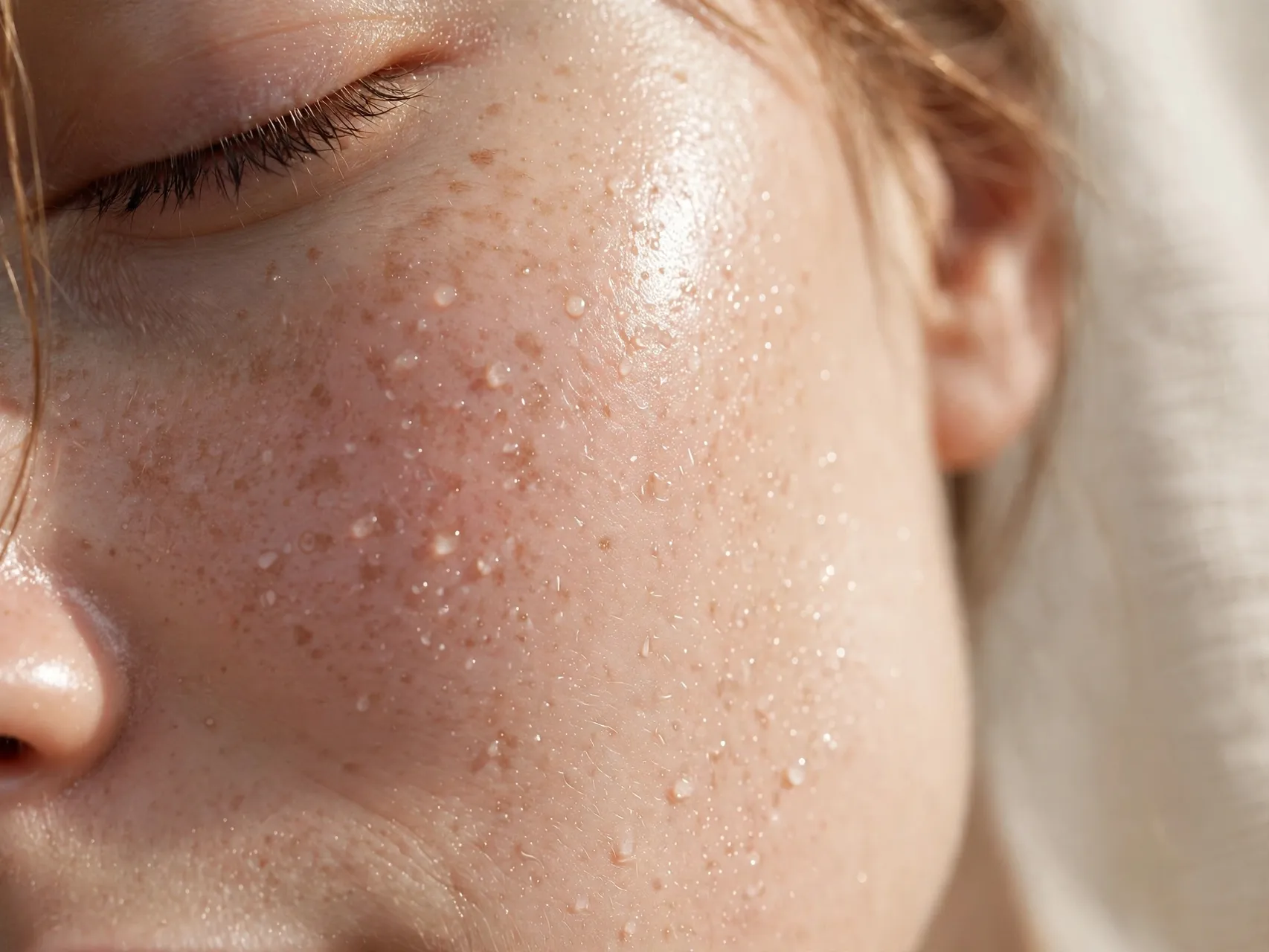
Most people see a difference within two to four weeks of consistent hydrating skincare. The instant glow from a sheet mask or a sleeping mask shows overnight, but lasting dewiness builds as your skin barrier gets healthier and holds more moisture. Consistency matters more than any single product.
Can I get dewy skin with drugstore products?
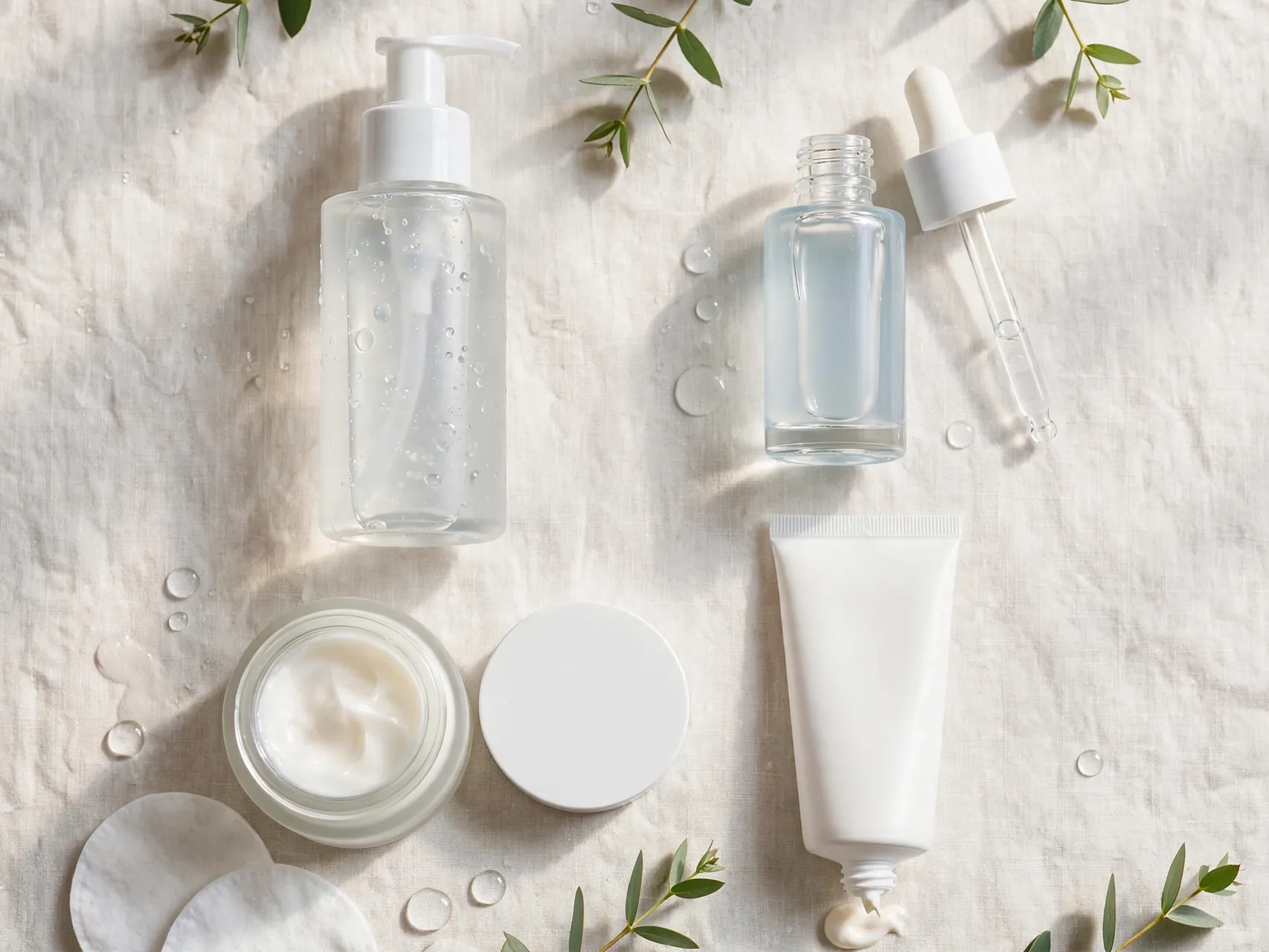
Yes. Drugstore brands make excellent hyaluronic acid serums, hydrating cleansers, and moisturizers with ceramides and glycerin. The ingredients matter more than the price. A simple drugstore routine used consistently will outperform an expensive routine used only sometimes.
Final Thoughts
Dewy skin is not a mystery and it is not only for people with perfect skin. It is the result of layering hydration, sealing it in, and protecting your barrier every day. Start with a hyaluronic acid serum on damp skin, a good moisturizer, and sunscreen. Add a weekly mask and a facial oil when you are ready. Give it a few weeks, and your skin will start to look plump, smooth, and lit from within. That is the glow you have been looking for, and it was hydration all along. Save this list, pick your first three ideas, and start tonight.